If you’re planning a caravan trip across Australia, having the right equipment is essential to getting the most out of the experience. With so many accessories on the market, it can be difficult to separate caravan must-haves from the optional extras.
In this buyer’s guide, we’ll cover the equipment worth considering, what to look for before buying, and how to keep them in good working order for years to come.
Why Getting the Right Equipment Matters
Caravan fit-outs can vary between makes, models, and manufacturers. While some caravans include a wide range of standard features, others come with only the basics.
In all cases, poor-quality, incompatible, and incorrectly installed equipment can create problems on the road. A leaking water fitting, faulty water pump, or an appliance that doesn’t suit your caravan’s layout can cause frustration and may require repair or replacement. Taking the time to choose suitable, well-made equipment from the outset can help reduce the likelihood of these issues.
Essential Caravan Equipment: What You Actually Need
Cooking: Caravan Oven and Grill
The cooking equipment used in a caravan differs from that used in a typical home kitchen. Caravan ovens, for instance, are designed to fit into the limited space available. Many models combine an oven, grill, and hob in a single unit, making them a practical option for preparing meals while travelling.
If your caravan needs a new oven and grill, the Thetford Duplex MK3 Oven and Grill Combination Unit is a great option. This compact unit combines a 36-litre oven and grill in one appliance, with features such as a stainless steel interior and flame failure safety device.
What to consider before buying a caravan oven:
- Internal oven capacity and whether it suits your cooking needs
- LPG compatibility and the necessary gas connections or regulator specifications
- Dimensions that fit your available cabinetry space
Toilet Solutions: Fixed and Portable Options
Caravan toilets are available in permanent and portable designs, with each option suited to different caravan layouts and travel needs. Permanent toilets are installed in the caravan and connect to an existing waste-holding tank, while portable toilets can be stored away when not in use.
For a fixed option, the Thetford Bravura High Toilet is a strong choice for caravans with an existing holding tank. Its taller 454mm design offers a more comfortable seat height, while the single-pedal flush and easy-clean design make this a practical upgrade for permanent toilet installations.
If you’re looking for a portable option, the Thetford Porta Potti 165 offers a compact alternative. It features a 21-litre waste tank, 15-litre flush-water tank, and manual bellows pump flush system, allowing it to operate without an electrical connection.
What to consider before choosing a caravan toilet:
- Toilet type and installation requirements, including whether a fixed cassette or portable model suits your caravan setup
- Cassette or holding tank capacity, as this affects how often the toilet needs to be emptied
- Flush system type, including whether the model requires a 12V power connection or uses a manual pump system
- Availability of compatible chemicals, replacement seals, and other maintenance parts
Water Systems: Pressure Pumps and Hand Pumps
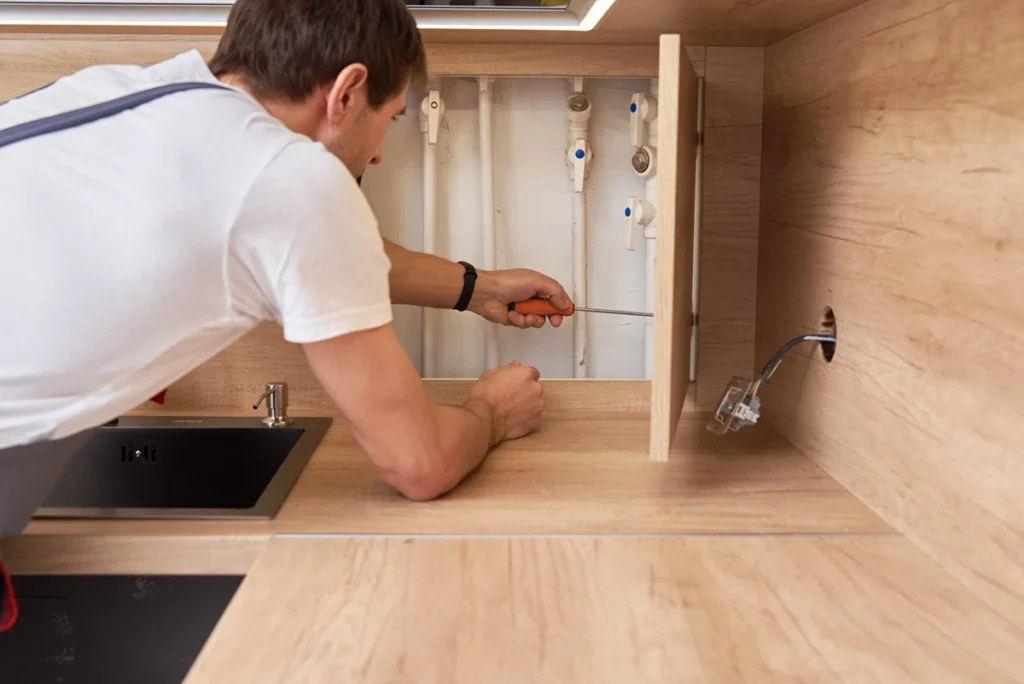
Having a reliable water supply makes everyday tasks much easier when travelling in a caravan. Most caravans use a 12V pressure pump to move water from an onboard tank to taps, while manual hand pumps offer a simple option for smaller or more basic setups.
The Whale Watermaster RV On-Board Pressure Pump is a suitable option for caravans with an onboard water tank and 12V electrical system. This 12V pump is designed to deliver a consistent water flow of 8 litres per minute, with a compact design that allows it to be installed in tighter spaces.
For a manual alternative, the Breha Hand Pump Basin provides a simple solution for caravans, motorhomes, and boats. It connects to a 1/2 inch hose and operates without electricity, making it suitable for basic water tank setups or additional sinks where a powered pump is not required.
What to consider with caravan water pumps:
- Water flow rate and pressure to ensure it can supply your caravan’s taps
- How the pump handles your water tank setup
- Noise and vibration levels during use
- Whether it includes a strainer or filter to help protect the pump from debris
Power and Electrical Basics
Most caravans use a low-voltage battery system to power onboard equipment. While 12V remains the most common configuration, some modern and high-end caravans use 24V, 36V or 48V systems.
These batteries can be charged via solar panels or a 240V mains connection at powered sites. Having enough battery capacity helps ensure your electrical equipment can continue running when you are away from powered sites.
When planning your caravan power setup, consider:
- Battery bank: AGM and lithium are the two most common options. Lithium batteries generally provide more usable capacity, faster charging, and a longer cycle life, but they usually have a higher upfront cost.
- Solar panel(s): This should match your expected daily power consumption and battery size. The amount required will depend on the equipment you run, such as fridges, lights, pumps, and other appliances.
- Inverter: An inverter converts DC battery power into AC power for running compatible appliances. The inverter size should match the power requirements of the appliances you plan to use.
Refrigeration
A compressor fridge is a common caravan fit-out upgrade. Compressor fridges are available in a range of voltages and provide reliable refrigeration for caravan travel. They are a popular choice for travellers who spend time away from powered sites.
Fridge capacity is measured in litres and varies with the unit’s size and how the caravan will be used. Smaller fridges may suit shorter trips or those who spend less time away from supply points; larger capacities can be useful for families or those who spend longer periods away from regular supplies.
Lighting
LED lighting is standard in modern caravans and generally more energy-efficient. If you’re upgrading or adding lighting to an older caravan, LED strip lights and downlights are widely used and often designed for use with caravan electrical systems.
External lighting, such as a strip light above the awning or outdoor kitchen area, can improve visibility and make outdoor spaces easier to use after dark.
Caring for Your Caravan Equipment
Regular maintenance can help extend the service life of caravan fittings and reduce the likelihood of unexpected repairs.
- Toilet cassettes should be emptied regularly, rinsed after emptying, and treated with an appropriate chemical according to the manufacturer’s instructions. Keeping seals clean and lubricated helps prevent leaks, odours, and premature wear.
- Water pumps benefit from being flushed with clean water at the end of each trip. If storing the caravan for extended periods, drain the system to prevent stagnant water and potential seal damage.
- Ovens and grills should be wiped down after use. Grease buildup inside a caravan oven is a fire risk in a confined space.
- Batteries should be stored at or near full charge if the van won’t be used for several months. A solar trickle charger connected during storage periods keeps AGM and lithium batteries in good condition.
- Batteries should be maintained according to the manufacturer’s storage recommendations. AGM batteries are typically stored fully charged, while some lithium batteries may be better stored partially charged for extended periods.
- Seals and gaskets on doors, windows, and roof vents can be inspected annually. UV exposure degrades rubber over time, and small leaks can cause significant water damage before they’re noticed.
Find the Right Gear at Boat Hut
Choosing the right caravan must-haves starts with understanding your setup and how you travel. Before buying any equipment, consider your caravan’s dimensions, compatibility, and power requirements.
Browse our full RV and caravan accessories range for detailed specifications, or get in touch with our team if you need help matching a product to your caravan and camping needs.
