
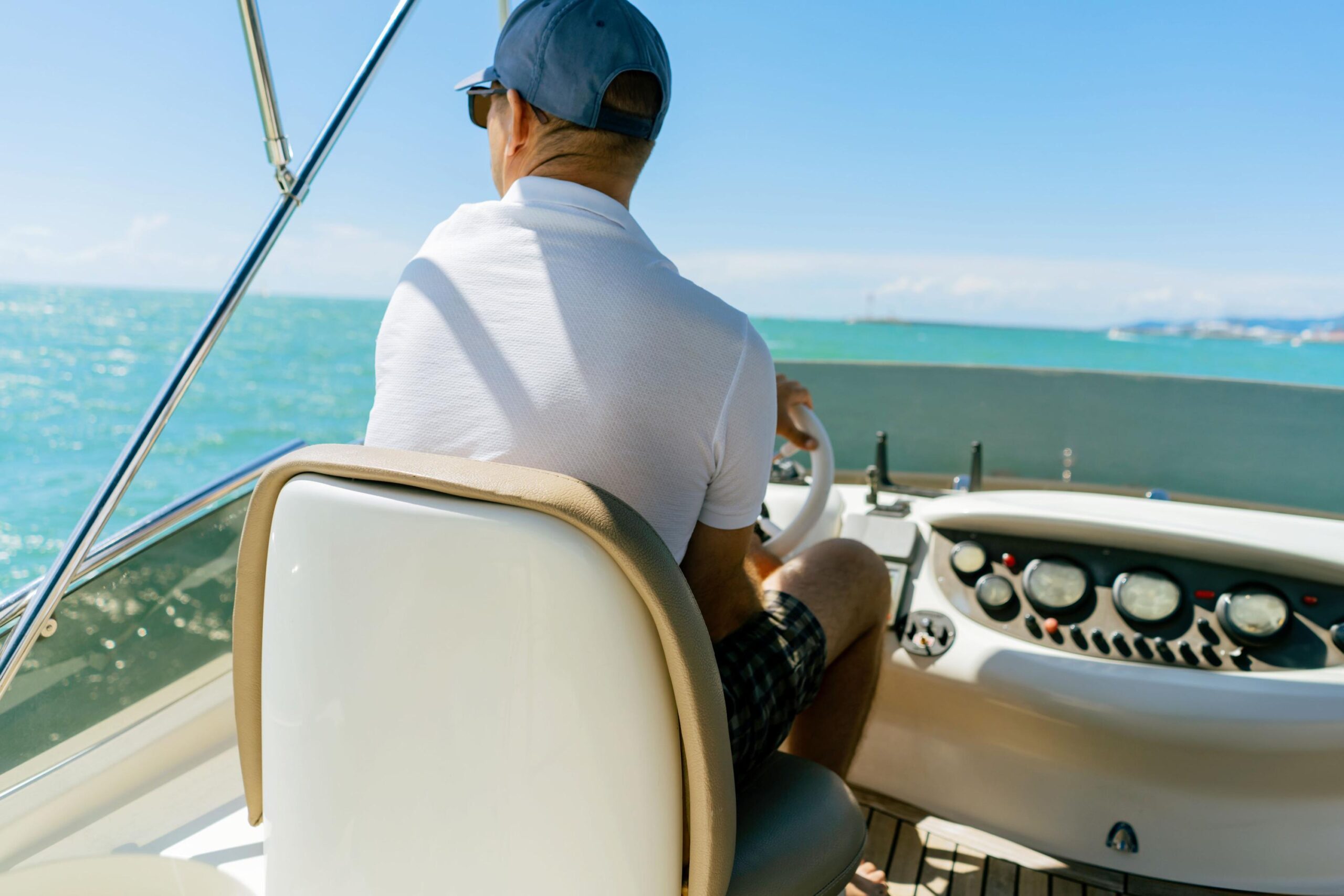
If you own a boat or spend a lot of time on one, you know that the ride can be bumpy and rough. This rough ride is especially noticeable when you’re sitting in a boat seat for long stretches on the water. While some people may see this as a minor inconvenience, it can lead to discomfort and fatigue, making your boating experience less enjoyable.
A boat seat suspension system changes this by absorbing impact and providing a smoother, more comfortable ride. In this blog, we’ll explain what a boat seat suspension system is, its types, and why it matters for your overall boating experience.
What Is a Boat Seat Suspension System?
A boat seat suspension system is a mounting mechanism that absorbs shock and vibration between the boat’s hull and the seat above it. Rather than transferring every wave impact directly through the seat base to the passenger, a suspension system cushions the blow, much like a car’s shock absorber.
These systems typically include a base that mounts to the boat’s deck and a seat plate or bracket that connects to the underside of the seat. The suspension mechanism sits between these two components, providing controlled movement that follows the boat’s motion without sending every jolt straight to the rider.
Types of Boat Seat Suspension Systems
Boat seat suspension systems vary in design and performance. Here are some of the most common types:
Suspension Systems with Swivel and Slide
Swivel-and-slide suspension seats give you the freedom to rotate and move forward or backwards, so you can find the perfect, ergonomic position. Many swivel-and-slide seats are available in two configurations:
Variable height: Allows you to adjust seat height on the fly. This flexibility makes the swivel-and-slide seats ideal for operators who share the helm with passengers of different heights or need better visibility in changing conditions.
Fixed height: Provides the same swivel-and-slide functionality at a set seat height, making it ideal when the ergonomic height is already set or when adjustability isn’t needed.
Traditional Height-Adjustable Pedestal Seating
Hi-Lo systems focus on adjustable height rather than shock absorption. The seat can be raised or lowered to match the operator’s preference or the task at hand.
Pedestal mounts without spring: Offers a clean, manual height-adjustment mechanism. These are a practical choice for calmer waters or conditions where vertical shock isn’t the primary concern.
Pedestal mounts with spring: Adds a degree of passive suspension to the height-adjustable system. The spring cushions vertical forces, providing a smoother ride while keeping the mechanism relatively simple.
Traditional Pedestal Deck Base Systems
Hi-Lo deck bases serve as the solid foundation for traditional pedestal seating systems. They provide a secure, corrosion-resistant platform that supports your pedestal mount and the seat above.
Stainless steel deck bases: Ideal for saltwater environments. Made from marine-grade stainless steel, they resist corrosion even under constant salt spray and UV exposure. With a typical footprint of 177mm x 177mm, they provide a stable base that evenly distributes weight across the deck.
Anodised alloy deck bases: Offers a lightweight alternative without sacrificing strength or corrosion resistance. Anodising adds a protective oxide layer to the aluminium, making it suitable for both saltwater and freshwater use.
At Boat Hut, we offer a variety of boat seat suspension systems to fit your needs. From variable height suspension with swivel and slide, to Hi-Lo pedestal systems, you’ll find everything in one place.
Weight-Adjustable Suspension Systems
Many boat seat suspension systems can be adjusted to suit the operator’s weight. This ensures the suspension compresses correctly and absorbs impact as intended.
If set too firm, the seat won’t absorb shock effectively. If too soft, it can bottom out under load. Adjusting for weight helps maintain comfort, control, and consistent performance in different conditions.
The Benefits of Suspension Seating
Suspension seating offers more than just comfort. Here are some key advantages:
- Reduced fatigue: By absorbing impacts from waves and rough water, a suspension seat reduces the amount of shock transferred to your body, resulting in less fatigue.
- Longer comfort: Suspension seats reduce physical strain from rough water, allowing operators and passengers to remain comfortable for longer periods on the water.
- Fits everyone on board: With full swivel, slide, and height adjustment, these seats adapt to different body types and seating preferences, keeping everyone supported.
- Reduced impact on joints: By absorbing repeated wave-induced shocks, suspension seats can help reduce stress on the spine and joints.
What to Look for When Choosing a Suspension System
With several suspension system types available, selecting the right one depends on a few key factors:
- Typical water conditions: Rough or offshore waters can generate more vertical impact on seats than calm water or bays. A suspension system with adequate shock absorption can make longer trips more comfortable.
- Number of people using the boat: If multiple people of varying heights share the helm, adjustable-height seats allow each person to find a comfortable position.
- Vessel size and layout: Heavier or larger boats can accommodate robust mounting hardware, while smaller, lightweight boats may benefit from lighter bases such as anodised alloy.
- Material and corrosion resistance: Saltwater environments demand corrosion-resistant materials, such as marine-grade stainless steel or treated alloys. Freshwater boats have more flexibility in material choice.
- Functional features: Swivel, slide, and height adjustments provide flexibility and ergonomic comfort. While not always essential, they can enhance usability for fishing, cruising, or multi-operator vessels.
Find the Right Suspension System for Your Boat
Choosing the right boat seat suspension system makes a big difference in how you experience time on the water. Whether you’re chasing fish offshore, running a work boat, or simply clocking hours on the weekend, the right setup keeps you comfortable, capable, and ready to stay out longer.
Browse our full-suspension range, or get in touch with the team at Boat Hut for guidance on the right system for your boat.
Common Questions About Boat Seat Suspension
Do I need a suspension system if I mainly use my boat in calm water?
Yes, even in calm water, motor vibration and minor chop can cause discomfort over long periods. A suspension system can help reduce fatigue and improve comfort.
Can suspension systems be retrofitted to existing seats?
Yes, many suspension systems can be retrofitted to standard marine seats. Always verify compatibility with your seat post and deck base dimensions before purchasing.
Is installation difficult?
Installation is generally straightforward with basic tools. Fixed-height and deck base systems tend to be simpler, while variable-height or spring-loaded systems may require more careful setup to ensure proper calibration.
Can suspension systems be adjusted for weight?
Many suspension systems allow adjustment for different operator weights. Follow the manufacturer’s instructions for setting the system to your weight, and test it before heading out on the water.
How do I maintain my suspension system?
Regular maintenance is essential for keeping your suspension system performing reliably. Inspect moving parts for wear or damage, lubricate components as recommended by the manufacturer, and rinse or wipe down parts after use in saltwater to prevent corrosion.
What are some common mistakes to avoid with suspension systems?
Common mistakes include neglecting regular maintenance, failing to adjust the system for the operator’s weight, and improper installation. Always follow the manufacturer’s guidelines for installation, adjustment, and upkeep to ensure reliable performance.
